


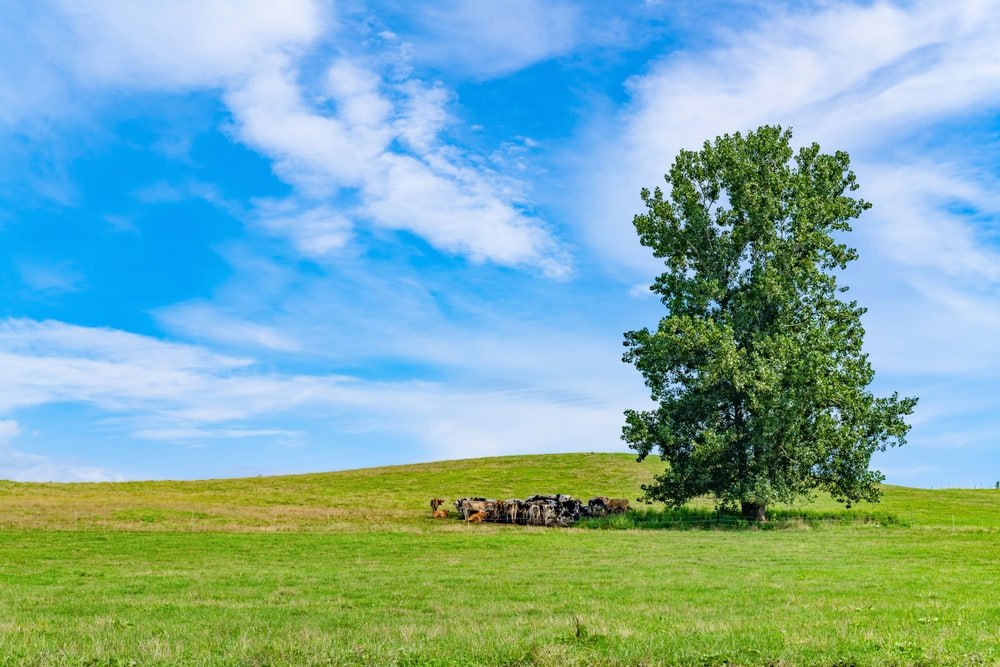
What to Eat in Furano This Season
As the snow begins to melt, Furano gradually shifts into spring. After months of winter, fresh vegetables start to emerge from the ground, and seasonal ingredients from across Hokkaido begin to appear on the table.
It’s a short but special time of year—when ingredients are at their freshest and most vibrant. From seafood and local meats to early-season produce, here’s what to look out for when visiting Furano in spring.
Fresh Spring Seafood from Hokkaido
Spring marks the end of drift ice season, known locally as umiake, when fishing resumes after the winter months. The cold ocean temperatures during this period help produce seafood with firm texture and rich, clean flavor.
Hairy Crab (Kegani)
Peak season: mid-March to June
Spring-caught hairy crab is especially prized. Fed by nutrient-rich plankton carried by drift ice, the meat is sweet, firm, and packed with flavor. Often referred to as umiake kegani, this seasonal catch is considered one of the best in Hokkaido. The rich crab miso is a highlight not to miss.
Cherry Salmon (Sakuramasu)
Peak season: March to May
Named for its soft pink flesh, sakuramasu is a signature taste of spring in Hokkaido. It has a delicate texture with a refined, slightly rich flavor. For something traditional, try it as ruibe—thinly sliced, lightly frozen sashimi rooted in Ainu culture.
Herring (Nishin)
Peak season: June to July
Known as the “fish that announces spring,” herring has long been tied to the changing seasons in Hokkaido. Before spawning, the fish becomes especially rich and fatty, with a full, satisfying flavor. It’s often simmered in a sweet soy-based sauce or served over soba in a classic regional style.
Local Meats to Try in Furano
While available year-round, Furano’s local meats are world-renowned for their quality and unique flavor.
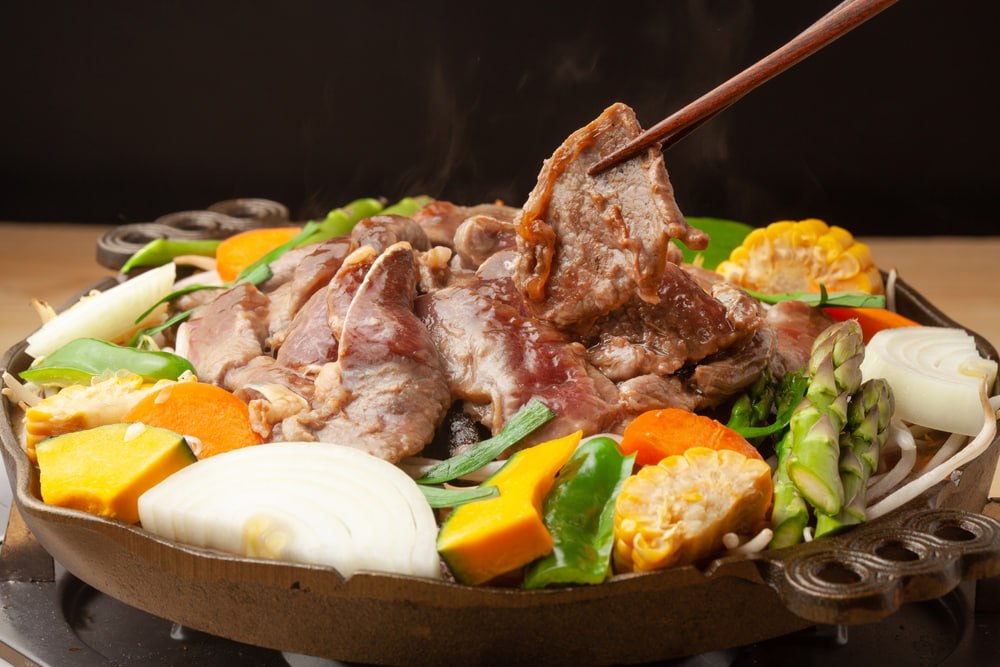
Furano Wagyu
Furano wagyu is known for its fine marbling, tenderness, and balanced richness. A standout variation, Furano Daichi Wagyu, is raised on locally grown rice feed, giving the beef a deeper, more rounded flavor.
Furano Pork Skirt (Buta Sagari)
A local specialty, pork sagari refers to the diaphragm cut—similar to skirt steak. Sourced from Kamifurano pork, it’s tender with a clean, slightly lighter taste, making it especially popular among locals.
Jingisukan (Hokkaido Lamb BBQ)
A Hokkaido classic. In spring, locals gather in parks for cherry blossom viewing while grilling lamb—known as hanami jingisukan. Many spots offer equipment rentals and ingredient sets, so it’s easy to enjoy without planning ahead.
Early-Season Fruits in Furano
Furano is best known for summer fruit, but the season offically begins in late spring.
Strawberries
Peak season: mid-June to July
Strawberries begin appearing as early as mid-May, with peak flavor in early summer. The local variety “Kentaro” is especially known for its deep sweetness and rich aroma. This is also when strawberry-picking farms open for the season.
Melons
Peak season: June to August
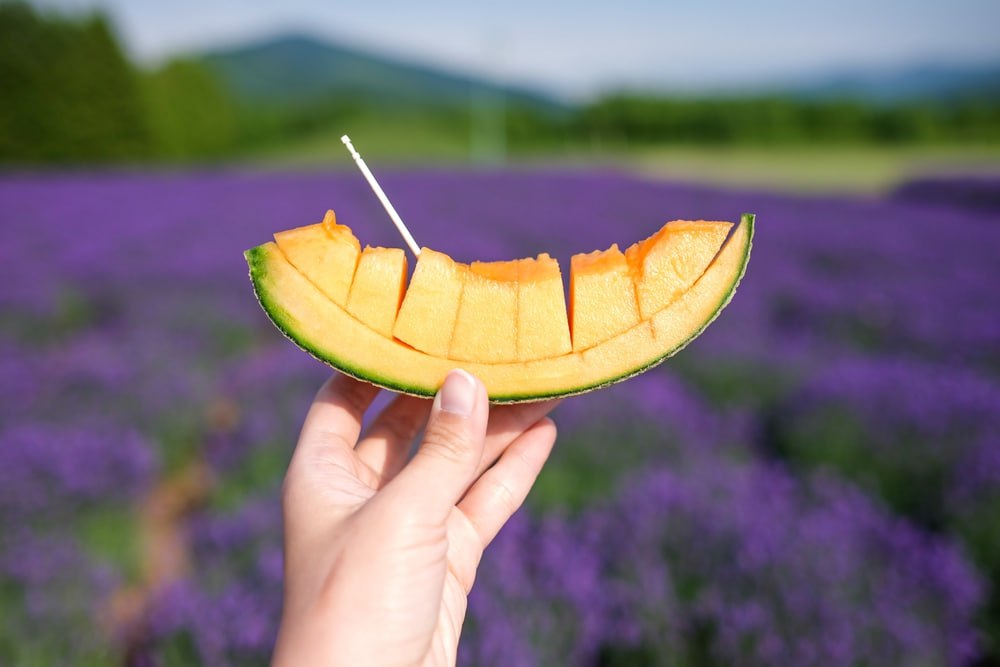
Furano melons start harvesting in late May, with peak season in July. Grown in the basin’s wide temperature swings between day and night, they develop a concentrated sweetness and fragrant aroma that the region is known for.
Spring Vegetables at Their Best
Hokkaido’s wide temperature differences between day and night help vegetables develop a natural sweetness. After enduring the winter, spring produce is especially flavorful.
Asparagus
Peak season: May to July
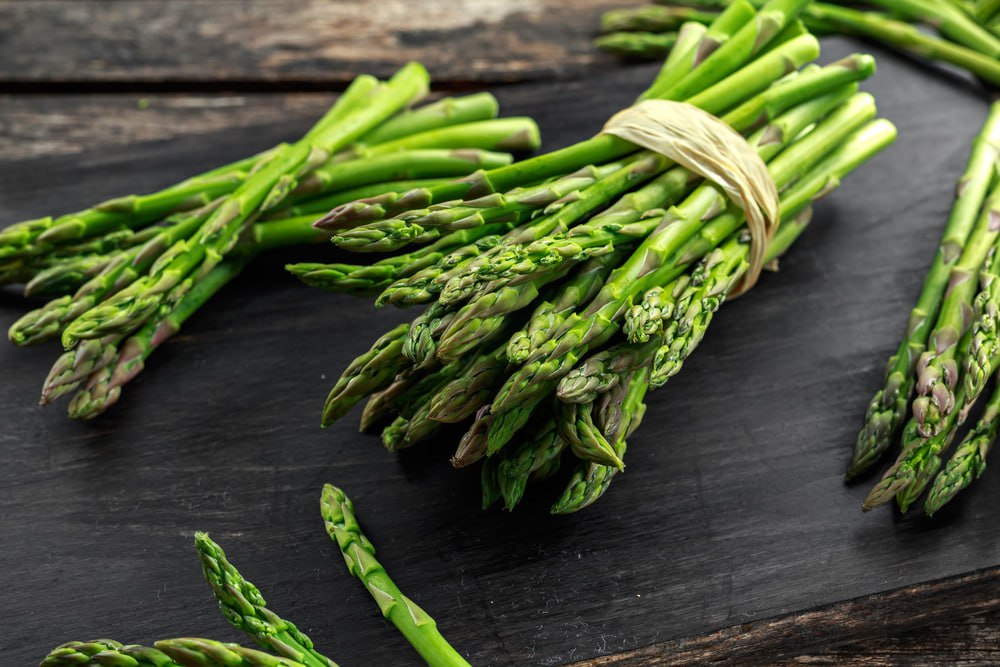
Spring asparagus is thick, crisp, and naturally sweet, having stored nutrients over the winter. Freshly harvested spears are juicy and tender, with very little fiber—even at the base.
Gyōja Garlic (Wild Leek)
Peak season: late April to May
A well-known wild mountain vegetable, also called Ainu leek. It has a bold, garlic-like aroma with a flavor similar to chives or green onions. Because it takes years to grow and has a very short harvest window, it’s considered a rare seasonal ingredient. Often enjoyed sautéed, as tempura, or alongside jingisukan.
Sasatake (Bamboo Shoots)
Peak season: May to June
In Hokkaido, bamboo shoots typically refer to this smaller variety, also known as himetake or nemagaritake. They’re tender, mildly sweet, and easy to prepare thanks to their low bitterness—delicious grilled or simply boiled.
Experience Spring Flavors at Nozo Hotel
Located in the heart of Furano, Nozo Hotel offers seasonal dining that highlights the best of Hokkaido’s ingredients.
At Shirakaba Restaurant, dishes are built around fresh, locally sourced produce, seafood, and Furano pork, prepared with a clean, international approach. From spring vegetables like asparagus to carefully selected regional specialties, each dish reflects the season at its peak.
If you’re visiting Furano this spring, it’s the perfect time to experience Hokkaido’s ingredients at their freshest—right here at Nozo Hotel.
